Card Payment Rules: Small Businesses Face Hidden Costs
An expert from Simic Financial, as mentioned in the press release, presents on strategies for small businesses. The "GETTING SMALL" banner highlights the focus on enterprises adapting to new card payment regulations.
New regulations effective October 1 will prevent small businesses from recovering card payment costs at checkout. These costs will now be absorbed into everyday prices, potentially impacting both businesses and consumers.
Hidden Costs and Tighter Margins Ahead: Full Details
Starting October 1, small businesses can no longer pass on card payment costs directly to customers. While the Reserve Bank of Australia (RBA) has introduced lower interchange caps, reducing credit card interchange fees from 0.8% to 0.3% and saving businesses an estimated $910 million nationally, this benefit primarily favors high-volume merchants. Tom Simic, Principal CFO of Simic Financial, noted, "Small businesses aren't getting a discount, they're getting a bill with no line item. The cost hasn't gone away, it's just been made invisible, and someone still has to pay for it." This absorption of costs is expected to lead to tighter margins for many smaller enterprises.

Small Businesses Face Tighter Margins from Card Fee Changes
Business professionals gather, possibly discussing new financial regulations. A visible bar chart hints at economic data, reflecting concerns over card payment cost changes for small businesses.
Small Businesses Face Tighter Margins from Card Fee Changes
Business professionals gather, possibly discussing new financial regulations. A visible bar chart hints at economic data, reflecting concerns over card payment cost changes for small businesses.
Uneven Impact and Strategic Adjustments: Full Details
The RBA's intention to reduce financial burden through lower interchange fees appears to have an uneven impact. High-volume merchants are poised to gain the most, while smaller businesses may struggle with the added costs. Simic advises clients to anticipate tighter margins from October, emphasizing the need for proper repricing to avoid significant financial strain in the coming months. The discrepancy in benefits raises questions about the fairness of the new rules in achieving their goal of easing cost-of-living pressures.

New Card Regulations Challenge Small Businesses
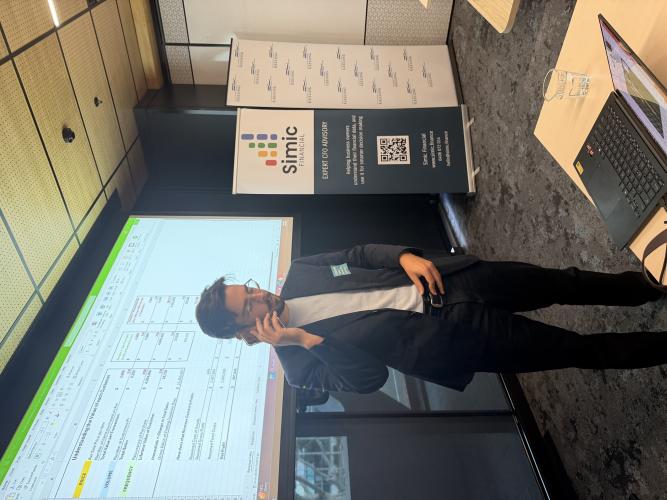
Tom Simic, Principal CFO of Simic Financial, addresses concerns regarding new card payment regulations impacting small businesses. He highlights the hidden burden these changes will impose starting October 1.
New Card Regulations Challenge Small Businesses
Tom Simic, Principal CFO of Simic Financial, addresses concerns regarding new card payment regulations impacting small businesses. He highlights the hidden burden these changes will impose starting October 1.
Navigating the New Regulatory Landscape and Key Benefits
As small businesses adapt, options include renegotiating terms with payment processors and adopting new technology to streamline operations. Transparency in pricing and clear communication with customers will be crucial for maintaining trust and loyalty. The resilience and adaptability of small businesses will be tested as the economy adjusts to these regulatory changes. Staying informed and proactive will be key to navigating the complexities and thriving in the post-October financial environment.
New Card Payment Rules: Small Businesses Face Hidden Costs
Tom Simic, Principal CFO of Simic Financial, advises on new card payment regulations. The setting suggests a workshop for small businesses adapting to financial changes.
New Card Payment Rules: Small Businesses Face Hidden Costs
Tom Simic, Principal CFO of Simic Financial, advises on new card payment regulations. The setting suggests a workshop for small businesses adapting to financial changes.