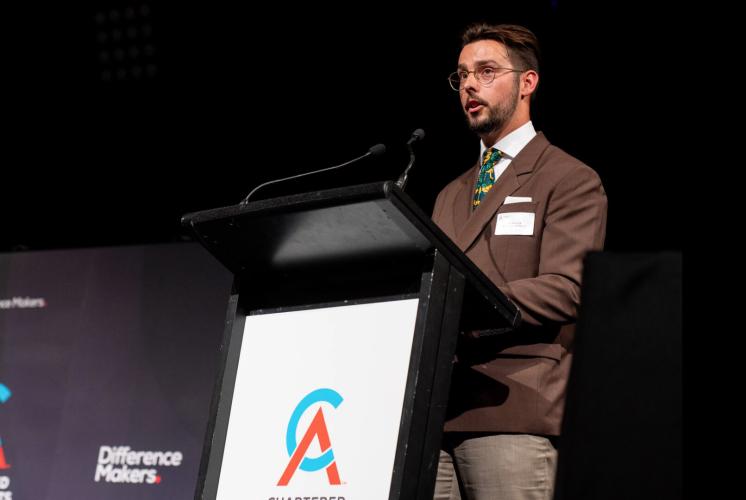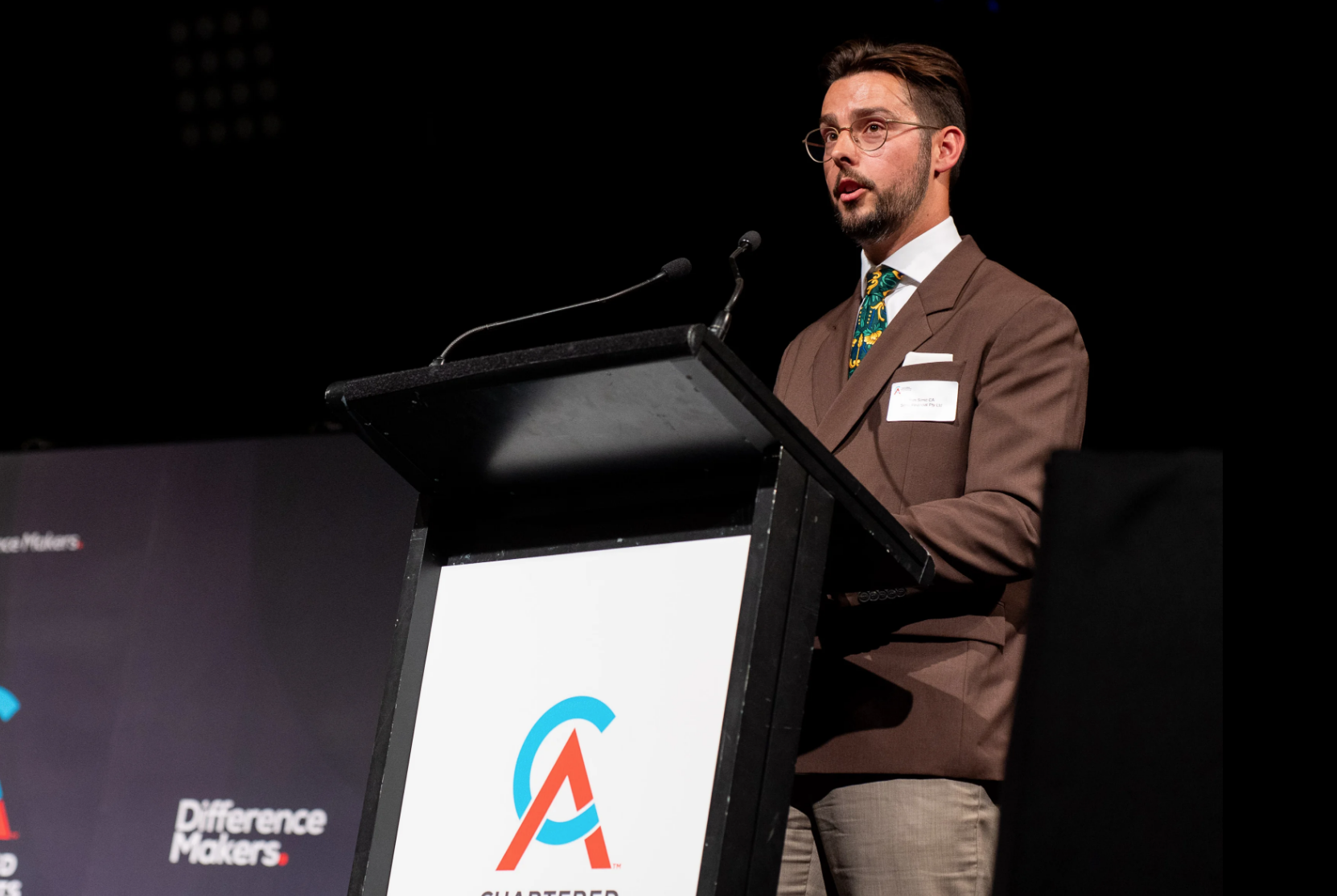
A man wearing glasses and a brown jacket speaks at a podium during an event in Auckland. The podium and backdrop display the Auckland Council logo along with the phrase "Difference Makers." The setting appears to be an indoor conference or presentati
A growing number of Australian SMEs are dropping the once-a-year tax-time accountant in favour of a model that looks more like a part-time finance department, and industry figures say the shift is overdue.
The Problem With "Once a Year"
For decades, the small business-accountant relationship has followed the same script: a scramble of paperwork in June, a tax return filed in July, then silence for eleven months. Traditional accounting answers one question well, is the business compliant? It answers a far more important one poorly: is the business making money, and where? By the time a tax return lands, the numbers are already months old. A job that ran over budget, a price list that hasn't moved despite rising costs, a slow leak in labour efficiency, none of it shows up until it's too late to fix.
That's the gap Geelong-based advisory firm Simic Financial has built its business around closing, not by replacing the accountant, but by replacing the role the accountant was never designed to play.
Enter the Virtual CFO
Simic Financials model swaps the annual tax appointment for an ongoing partnership: a dedicated Chief Financial Officer, matched to the business's industry and stage, working monthly on strategy, reporting and accountability, not just compliance. Rather than a generalist handling hundreds of unrelated clients, the firm allocates a senior operator with direct sector experience, following a structured process: a free discovery call, a financial diagnostic to identify quick wins, then an ongoing CFO partnership built on monthly strategy and clean, visual reporting.
The distinction the firm draws is pointed: this isn't a junior accountant wearing a CFO title, but someone who has operated at scale, matched to a business based on their background and specialty. Clients cited by the firm describe moving from static spreadsheets toward visual, real-time dashboards that give the whole team, not just the owner, a shared understanding of how the business is performing.
More Than Numbers
The case for a virtual CFO isn't purely about reporting. It's about strategic input on pricing, labour costs, cash flow and expansion decisions, delivered continuously rather than retrospectively. Simic Financial also points to network access as a less obvious benefit, warm introductions to specialists like M&A lawyers, R&D tax advisors, commercial finance brokers, recruiters and investors that owners would otherwise have to track down themselves. Clients describe founder Tom Simic as a genuine strategic partner rather than a service provider, with several noting they wished they'd made the switch sooner.
The Bottom Line
The message from firms like Simic Financial challenges the status quo directly: an accountant tells you what happened last year. A CFO helps you decide what happens next. For a growing number of Australian business owners, that distinction is no longer a luxury reserved for large corporates, it's becoming the standard for anyone serious about turning hard work into sustainable profit.